
01
Understand the request
Read the full message in context: the channel it came from, the customer or employee profile, and the policies that apply.
Customer & employee interaction
Agentic communication agents for employees and customers that resolve work across channels, on top of your existing systems and data.
*Indicative range based on pilots and comparable implementations.
A single intelligence layer connected to your data and systems. From that foundation, every interface can draw on the same knowledge, logic and actions - so customers and employees get the same answer, no matter where they ask.
Agentic means it can reason, decide and act - not just respond.
Where it shows up in the business
The same agent platform powers different parts of the business - from customer service to marketing dialogue and sales follow-up.
From request to resolution
Every conversation runs through the same four steps - so you get explainable, traceable work instead of black-box answers.
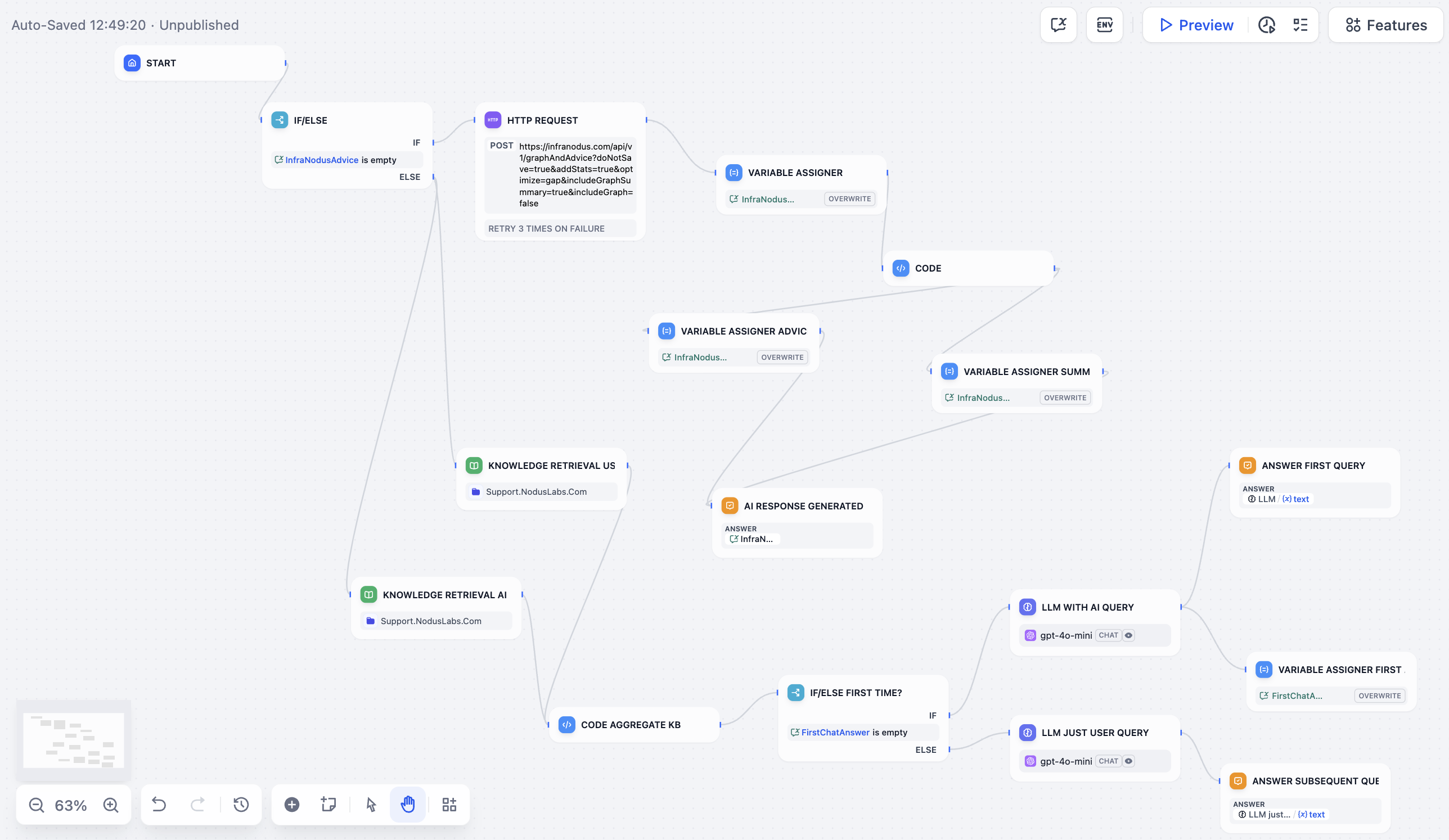
Read the full message in context: the channel it came from, the customer or employee profile, and the policies that apply.
Look up live data in your systems - order status, returns, customer history, internal procedures - through secure tool calls.
Compose the answer, execute simple actions and log the outcome - in the same flow, without bouncing the user between portals.
For exceptions, the agent hands over to the right person with the conversation, the data it pulled and a recommended next step already attached.
Customer stories
From a national retailer's customer service to operators on the factory floor - communication agents already resolve real work for Nordic and global enterprises.
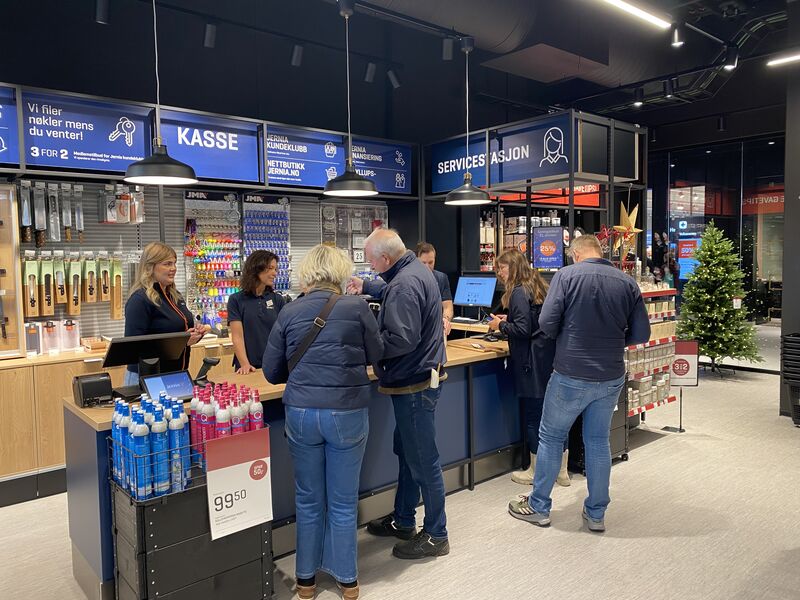
Norway's leading hardware retailer · Customer service

The agent answers questions about opening hours, terms and returns, fetches live order status via nShift, and gives product tips - all from one shared knowledge layer connected to Jernia's systems.
Global healthcare leader · On-prem operations

Operators get instant, correct answers to critical procedures directly from a closed environment - sensitive data never leaves the factory, compliance and security requirements are fully respected.

Why this matters
Communication agents don’t just respond - they complete work across systems.
Instead of sending people between systems, the agent looks up data, completes simple actions, and involves humans only when it matters.
Short answers on what a communication agent is, how it differs from a chatbot, and how we measure value.
A communication agent is an AI system that handles customer and employee interactions across channels like chat, email and phone. Unlike traditional chatbots, it connects to your business systems, looks up data, completes tasks and involves humans only when needed.
A chatbot follows scripted flows and answers predefined questions. A communication agent reasons over live data, calls tools, resolves multi-step requests and learns from context. It works across systems rather than within a single interface.
Communication agents work across web chat, email, phone, internal tools and messaging platforms. They use one shared knowledge base and logic layer, so customers and employees get consistent answers regardless of channel.
We measure resolution rate (how many requests the agent completes without human help), response time, customer satisfaction and support cost reduction. In pilot projects, we typically see 40-60% of meaningful conversations resolved autonomously.
A short conversation to assess where agentic AI makes sense, and where it doesn’t.