
01
Sense the signal
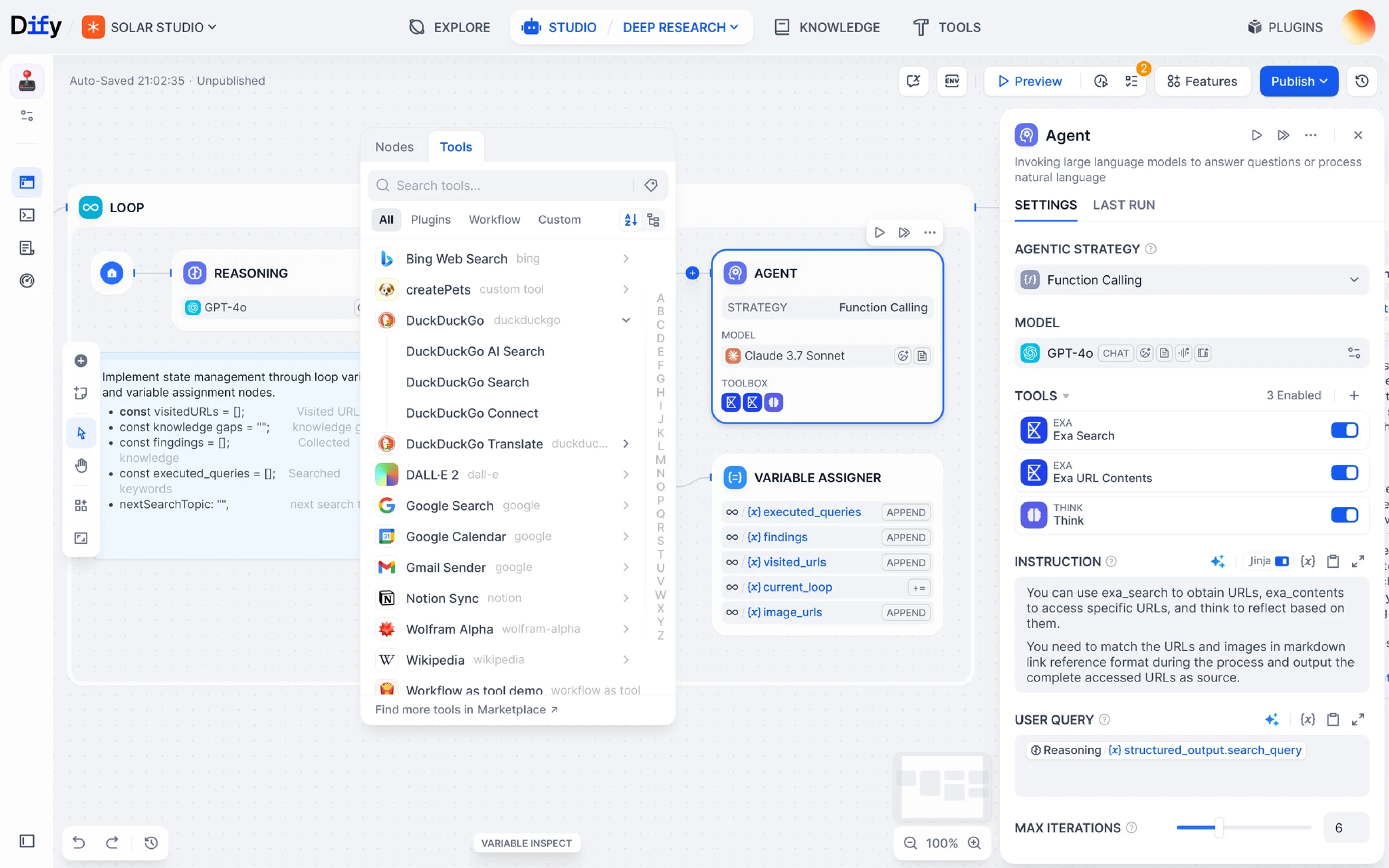
Pick up a trigger from your systems - a stuck order, a deviation on the line, a high-priority ticket, a SLA at risk - and start the right workflow.
Operational processes
Agentic workflows that sense signals from your systems, gather the right context, decide and act - removing repetitive work while keeping humans in control of what matters.
Instead of new point tools for every process, one agent platform connects to your existing systems and orchestrates the work end to end - with the same logic, governance and audit trail across every workflow.
Agentic means the workflow can reason, decide and act - not just move data between systems.
Where it shows up in the business
From service desks and back-office to factory floor and project delivery - the same orchestration layer fits very different parts of the business.
Improve customer service, case handling, and field operations.
Plan routes, dispatch and ETA updates that absorb sickness, road work and changes automatically.
Free project teams from data labour: sourcing, indexing and validating components and specs.
Reduce downtime, changeovers, and manual coordination on the floor.
From signal to action
Every workflow goes through the same four steps - so the work is explainable, traceable and easy to extend, instead of a black box bolted onto your systems.
Pick up a trigger from your systems - a stuck order, a deviation on the line, a high-priority ticket, a SLA at risk - and start the right workflow.
Pull live data from ERP, MES, CRM, ticketing and procedures - through secure tool calls - so the decision is grounded in real operational reality.
Apply rules, models and reasoning, then execute the action: reroute, notify, update a record or open a case - in the same flow, with full audit log.
For exceptions or high-stakes calls, the workflow hands over to the right person with the data it pulled and a recommended next step already attached.
Customer stories
From industrial operators on the factory floor to media intelligence teams - agent workflows already remove repetitive work for Nordic and global enterprises.
Global healthcare leader · Industrial operations

Operators get correct answers to critical procedures in seconds - directly inside their tools - while sensitive data stays inside the factory and compliance requirements are fully respected.

Media intelligence platform · Editorial operations

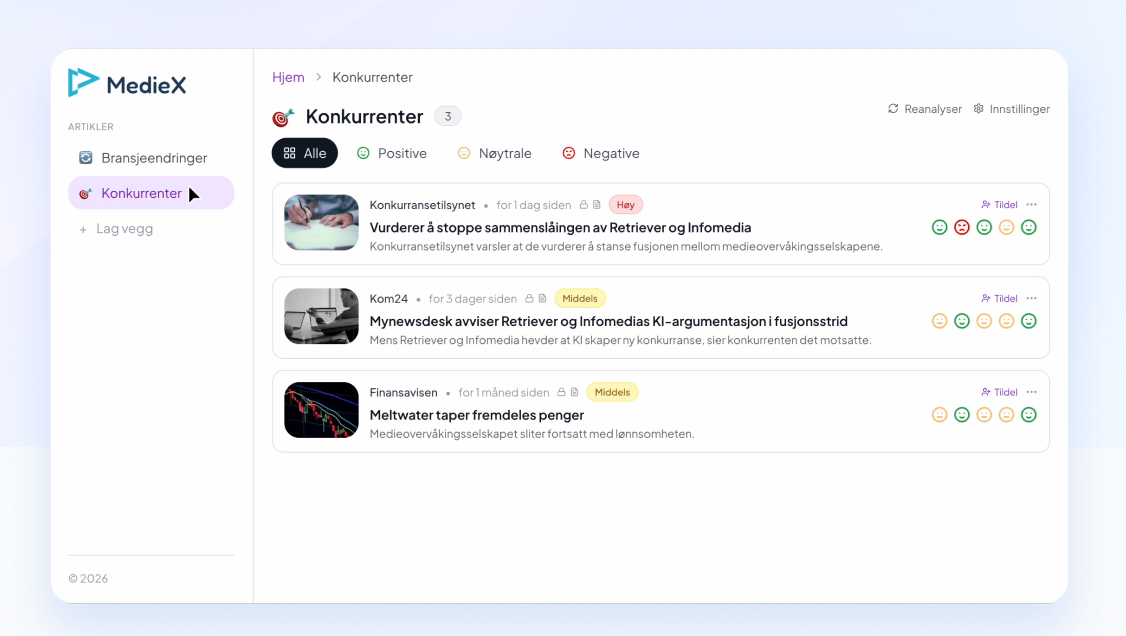
Agent workflows ingest, classify, summarize and route media signals across sources - so the team spends time on insight and decisions instead of moving data between tools.
Short answers on what process optimization really means with agentic AI, where it fits, and how we keep humans in control.
AI process optimization uses agentic workflows to automate decision-heavy work across operations, back-office and production. The agent connects to your existing systems, gathers context, decides and acts - and only escalates to people when it should.
Any process with repetitive decisions across multiple systems is a candidate: incident triage, supply chain exception handling, finance and case routing, quality and deviations, production support and back-office automation.
Up to 80% of repetitive tasks in a given workflow. The exact reduction depends on process complexity and how integrated your systems are - most teams see meaningful capacity freed up after the first deployment.
No. The agent handles the routine parts of the workflow so people focus on decisions that need judgment, accountability and relationships. Humans stay in the loop for exceptions and high-stakes decisions.
Through standard APIs, databases and tool calls. The platform talks to ERP, MES, CRM, ticketing, document stores, data warehouses and custom systems - so we extend what you already have instead of replacing it.
By default the platform runs on our managed Nordic environment with full audit trail, role-based access and EU data residency. When security, scale or data classification requires it, we deploy the same platform inside your own cloud or on-premise.
We pick one high-value workflow, get it live in 2-4 weeks with you, and then expand. Your team owns the workflows from day one - we run the platform and add new workflows as priorities open up.
A short conversation to assess where agentic AI makes sense, and where it doesn't.