
01
Pick the moment
Find one product moment with the highest leverage - where users get stuck, repeat work or wait for someone - and define what success looks like.
Digital products & platforms
Make agentic AI a native part of your product - inline guidance, copilots and suggested actions that share one intelligence layer, not bolt-on chatbots beside it.
Instead of stitching point AI features into different parts of the product, one shared layer powers every moment - search, guidance, copilots, actions and insight - using the same data, rules and design language your product already has.
Native means it lives in the flows users already know - not in a separate window they have to remember to open.
Where it shows up in the business
From customer-facing surfaces to internal tools and analytics - the same intelligence layer powers AI moments wherever your users already work.
AI-native features inside PLM, PDM and engineering tools - sourcing, indexing and document generation built in.
Reduce downtime, changeovers, and manual coordination on the floor.
From product moment to live feature
Each AI feature follows the same four steps - so it ships like any other product capability, with metrics, ownership and a roadmap, not a one-off experiment.
Find one product moment with the highest leverage - where users get stuck, repeat work or wait for someone - and define what success looks like.
Design the AI moment inside the existing flow - same data, same UI patterns, same auth - so it feels like a feature, not a bolt-on chatbot.
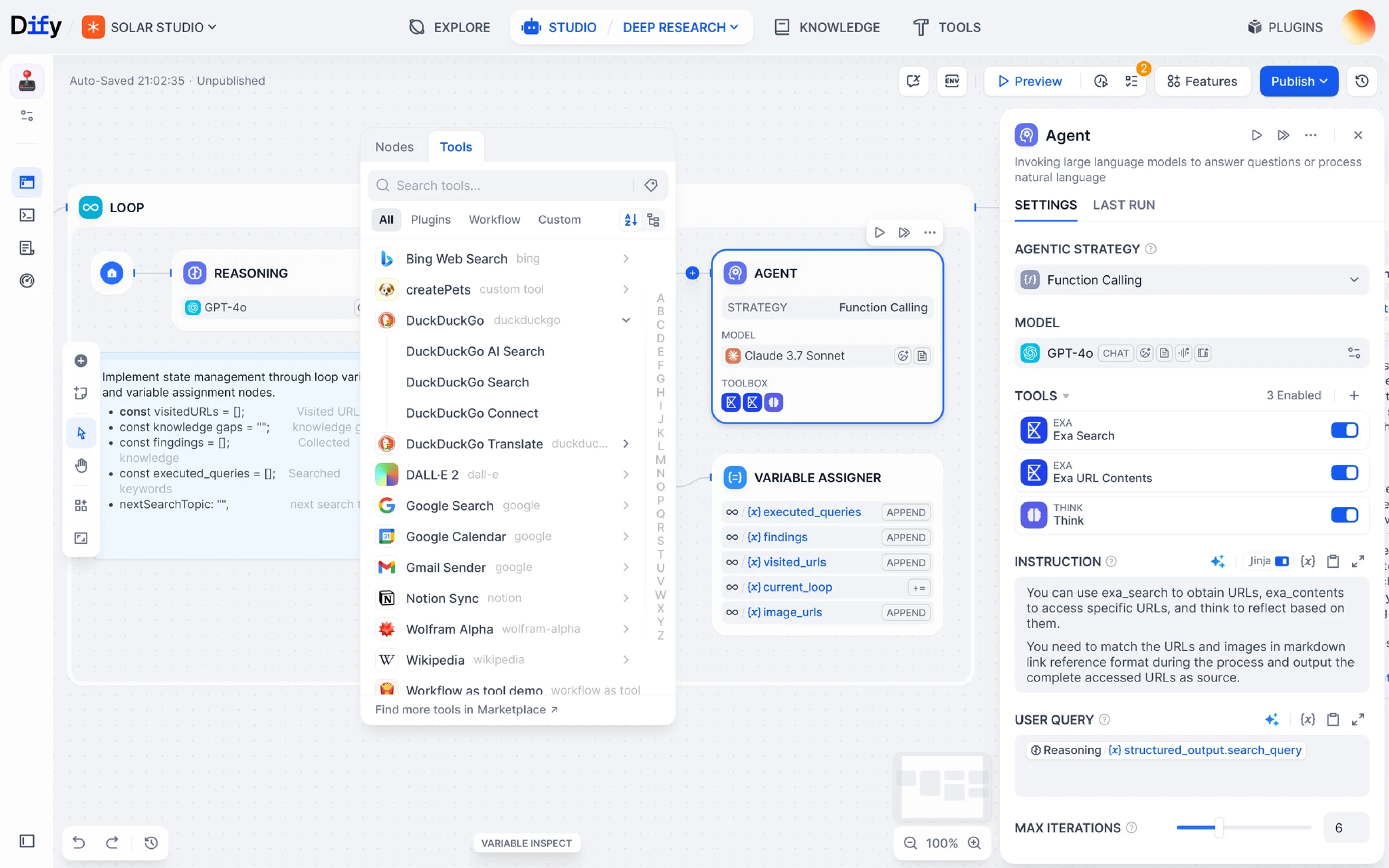
Build the workflow on the agentic platform: prompts, tools, retrieval and guardrails - reusable across other moments, not stitched into the product code.
Release to a slice of users, instrument adoption and quality, iterate, then reuse the same building blocks for the next AI moment.
Customer stories
From a Nordic media intelligence platform to an enterprise LMS used by 40,000+ learners worldwide - agentic AI shipped as native product capability.
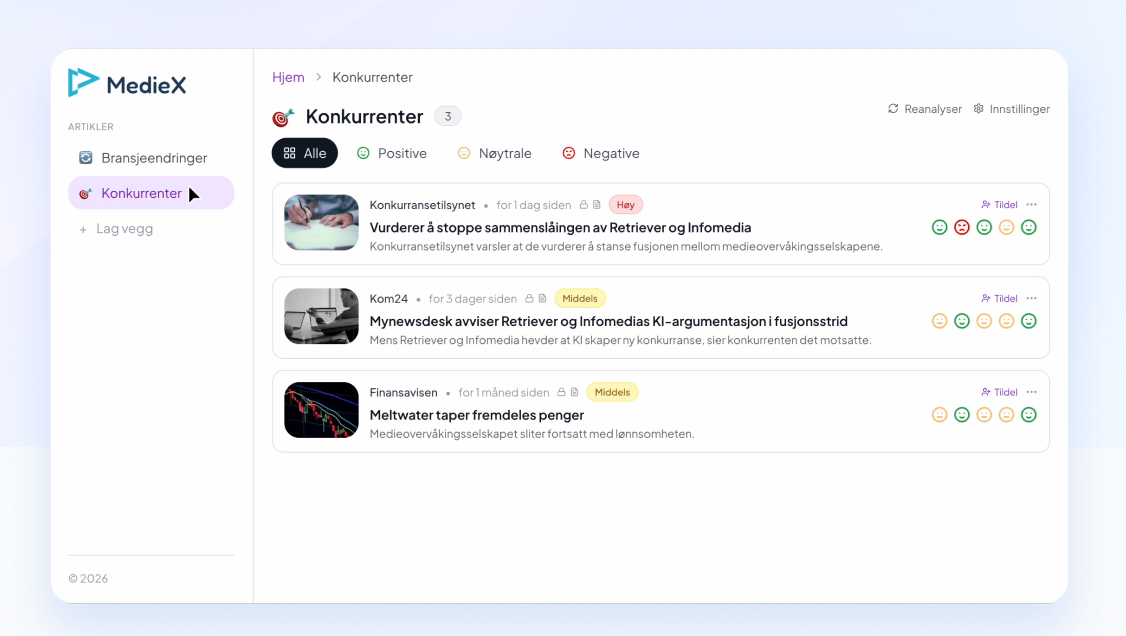
Media intelligence platform · Editorial product

AI is built into the product itself - ingestion, contextual sentiment, risk assessment and summaries are native features of MedieX, not a separate chatbot. EU AI Act compliant by design.
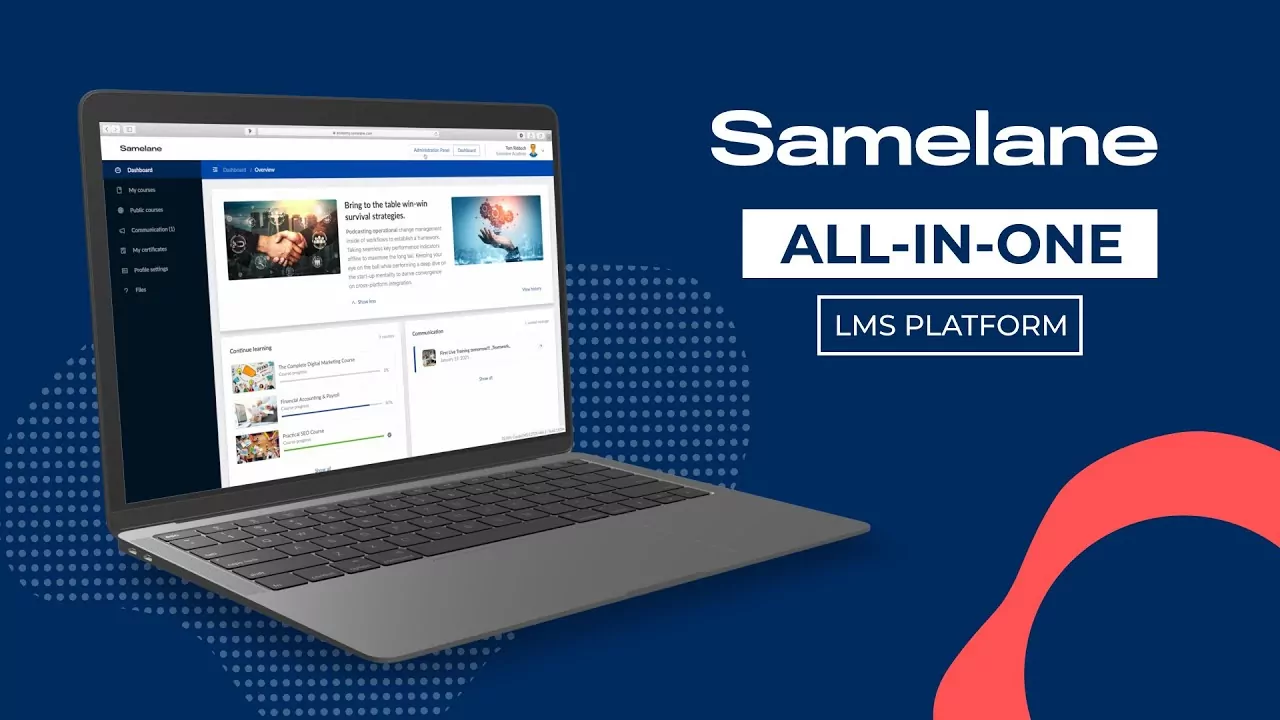
Enterprise LMS · Competency Intelligence

Used by Comcast, Grupa Azoty, Science Pharma, Medivet and more. AI lives inside the product flows trainers and learners already use - the natural step from LMS to Competency Intelligence.
Short answers on what it means to make AI a native part of your product, where to start, and how it ships alongside your team.
An AI-enabled product has agentic AI built into the product itself - as inline guidance, copilots, suggested actions and insight - instead of as a separate chatbot bolted on the side. The AI shares the product's data, logic and design system, so it feels like a native feature.
A chatbot lives next to the product. AI-enabled features live inside it: a suggestion in the form your user is filling, a summary at the top of the dashboard, an action they can apply with one click. They reuse the product's auth, data and UI, and are shipped like any other product feature.
Usually in the moments where users get stuck or repeat the same work: onboarding, search, configuring something, summarising activity, drafting a response. Those are the highest-impact spots to start - small AI moments that change how the product feels.
No. We add AI features alongside what you already have using your existing APIs, data and design system. The AI layer can grow inside your product over time - one feature at a time - without a rewrite.
You do. We work alongside your product, design and engineering teams - the AI features land in your codebase or your platform, follow your release process, and your team owns the roadmap.
All AI features run on the agentic platform with full audit trail, role-based access and EU data residency by default. We choose models per use case (open or proprietary) and can deploy in our managed Nordic environment, your own cloud or on-premise if security requires it.
Typically 2-6 weeks from kickoff to first AI moment in production - scoped to one high-value feature, with metrics in place to measure adoption and impact before expanding.
A short conversation to find the first AI moment that's worth shipping inside your product.